


Peyton Meters
Engagement Manager, pipikwan pêhtâkwan
FCM's Sustainable Communities Conference: Discount tickets on sale now
What municipal leaders and experts say makes a plan practical, resilient and community-driven
 TREES
TREES
Urban trees are everywhere—lining streets, shading playgrounds and beautifying neighbourhoods. Sustaining that canopy, however, requires more than just hitting planting targets.
That’s why municipalities across Canada are developing urban forest management plans (UFMPs): strategies that define how trees are governed, maintained and protected over time.
Our guide, ‘Creating an Urban Forest Management Plan For Your Community’, supports this work, helping municipalities set clear, long-term goals for their urban forests.
Engagement Manager, pipikwan pêhtâkwan

Manager, Urban Forestry, City of Vaughan
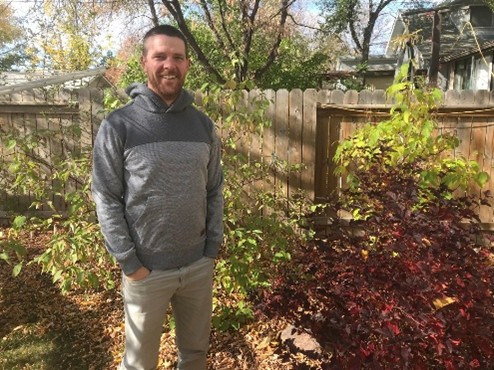
Project Manager, City of Saskatoon
With a background in business management, Miles Peart is the Manager of Urban Forestry at the City of Vaughan. He has led numerous forestry projects, including Vaughan’s first-ever UFMP; he describes the plan as a “playbook” that advances stewardship of “green infrastructure assets.”
Pulling from the Tree Cities of the World program, co-led by the United Nations, Peart outlines core pillars for urban forest governance: knowing your tree inventory—including location, species, size and more—setting an ordinance to govern trees in the jurisdiction, allocating adequate resources at the city-level to create and implement the UFMP, and establishing clear responsibility and accountability between staff.
A successful UFMP requires coordination between several municipal departments, from housing to transport. “There’s nothing better than the UFMP exercise to bring everybody together to highlight the importance of trees as assets,” Peart says.
Jeff Boone, Project Manager at the City of Saskatoon, has worked in urban forestry since 2006. He says that Saskatoon’s UFMP, approved in 2021, was developed largely in-house, with consultant support on tree protection and canopy targets.
Creating the plan was no simple matter; the prairies see major temperature swings—from plus to minus 40—and shifting weather patterns, where a single storm can wipe out thousands of trees.
As well as dealing with extreme weather, Saskatoon’s trees are mostly made up of elm and ash, Boone says. This lack of biodiversity poses a risk to the city’s canopy; Boone is particularly concerned about Dutch elm disease, a fungal infection clogging the trees’ water systems.
The pressures on the canopy are not only environmental. In Vaughan—one of Canada’s fastest-growing municipalities—another pressure is housing demand. Peart is candid about the tension: existing trees aren’t always in the right place when it comes to future developments — for example, they might stand in the way of a new sidewalk being installed. “Our jobs are really to look after the trees for our grandchildren,” he says. “The decisions we make here today have to strike that balance between many competing priorities.”
How a community manages its urban forest will determine whether future generations inherit neighbourhoods that are cooler, more resilient to climate risks such as flooding, and more supportive of public health and wellbeing.
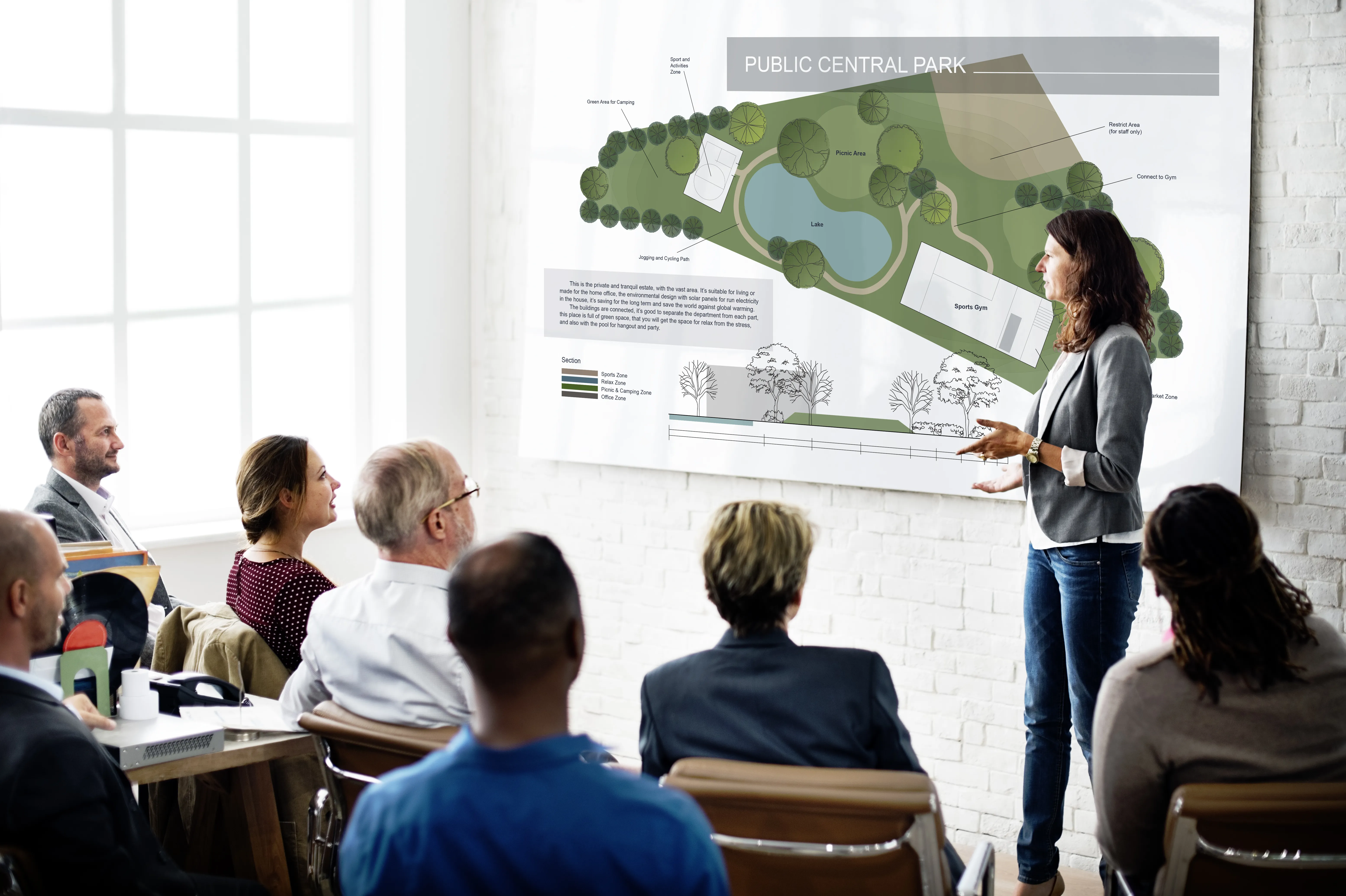
Creating a strategic urban forest document that accounts for this “wide variety of circumstances” can be a challenge, Boone adds—but like Peart, Boone has found that UFMPs are a “very, very useful document in laying a foundation for internal departments working together.”
Thanks to Saskatoon’s UFMP, when Council approves a plan—such as an active transportation strategy—Boone’s team are more likely to be at the steering table from the get-go, fostering greater collaboration when it comes to tackling issues like building more sidewalks. While conflict remains inevitable, “working together at the outset can at least smooth the edges of the conflict a lot,” Boone says.
Successfully implementing a UFMP is no small feat, and it’s important to celebrate milestones. “[It’s] the best opportunity to engage with all kinds of stakeholders,” Peart says, from City councillors to residents to community partners.
Those community partners are critical to the sustainability of a UFMP.
“Don’t just draw a box and think, ‘this is what urban forest planning is,’” says Peyton Meters, Engagement Manager at pipikwan pêhtâkwan, an Edmonton-based Indigenous public relations and engagement agency. “Let that bloom and let those seeds get planted from the different partnerships you make.”
For Meters, that means moving beyond simply informing or consulting communities. Referencing the International Association for Public Participation spectrum, she encourages municipalities to work toward deeper involvement and collaboration, where residents are not only reacting to plans, but helping shape and carry them forward.
Meters adds that many communities are already running urban forest activities, and that low participation is often a reflection of how organizations engage with communities, and not whether people care. “Everything starts with relationship first, and then the work can happen next,” she says.
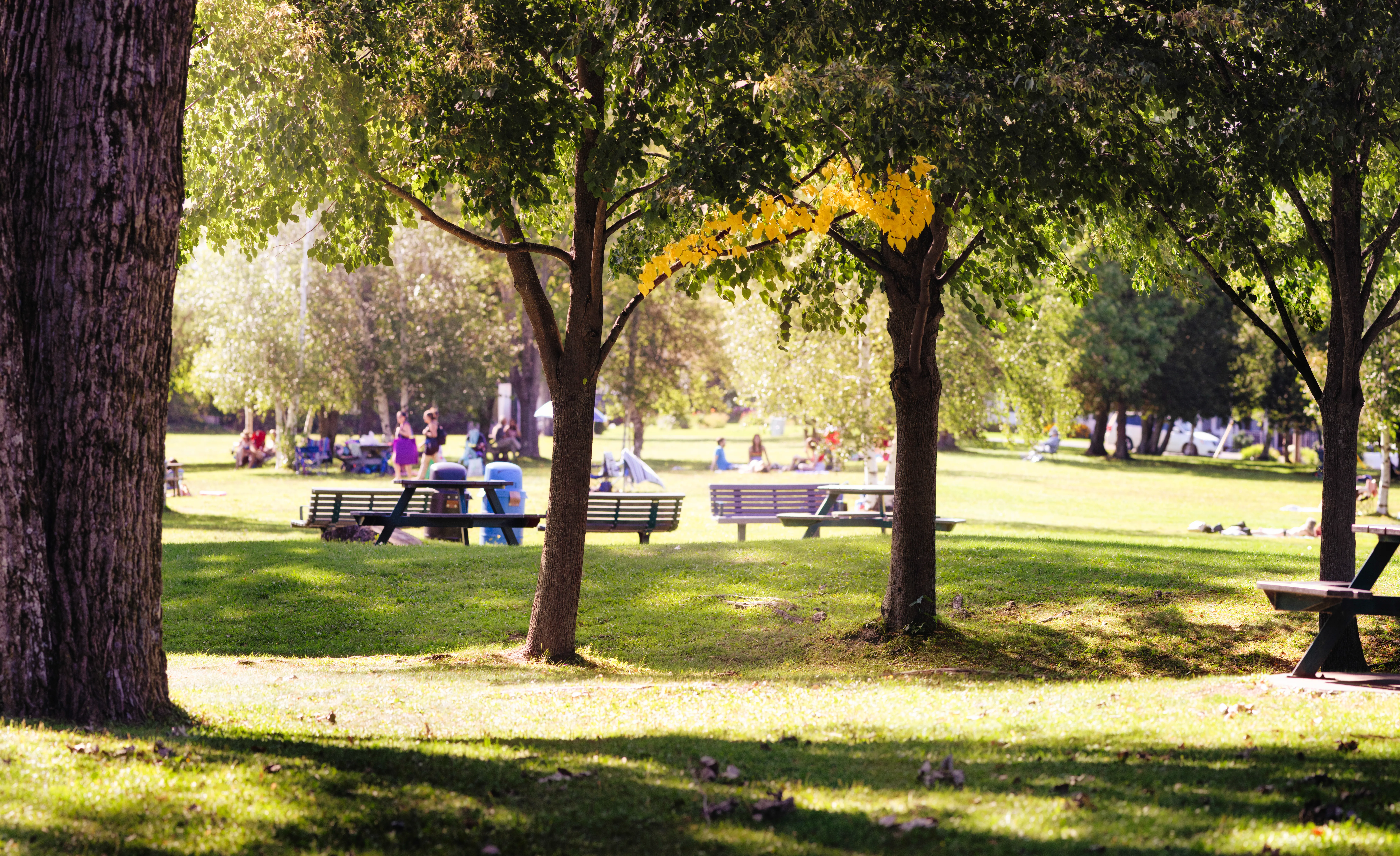
Saskatoon offers a practical example. Boone explains that residents had previously been required to water city-planted trees placed in front of their homes during the first period after planting. As a recent UFMP outcome, the city removed that requirement “so we could create more equal access to that tree-planting opportunity,” he says.
The trees didn’t change, but the expectation did. By removing the watering obligation, the city reduced the burden on residents who might not have had the time or capacity to take that on.
Peart brings it back to basics. In municipal work, he says, staff are “in service to people”—not only to trees. Urban forest decisions, in that view, need to make sense in everyday terms: safety, public health, equity, careful use of tax dollars and resilience in the face of climate change.
Looking ahead, when it comes to creating UFMPs, Meters says that Indigenous worldviews encourage planners to think beyond today’s challenges. “We're not only thinking about what's going to be important for your municipality here and now,” she says, “but for the seven generations in the future.”
The perspectives highlighted in this article are explored further in the webinar “Develop an urban forest management plan for your community’’, which features examples of how municipalities are building urban forests that are adapted to their communities’ needs.
This article shares key takeaways from “Develop an urban forest management plan for your community,” a past webinar hosted by GMF.


The Green Municipal Fund's Growing Canada’s Community Canopies is a $291 million initiative, ending in 2031, funded by the Government of Canada and delivered by the Federation of Canadian Municipalities. Capacity building is enabled through a partnership with Tree Canada. GCCC will support the planting of at least 1.2M trees across Canada by end of March 2031.
Trees
 Forestry
This case study explores how the City of Cornwall is meeting its Climate Action Plan goals including increasing tree canopy; and restoring, enhancing, and protecting green spaces in vulnerable neighbourhoods.
Trees
Forestry
This factsheet explains how urban foresters, planners and their partners can create wildfire-resilient communities by assessing risks and addressing them in urban forest management.
Trees
Forestry
Explore tools and approaches to help municipalities integrate trees into asset management practices that deliver climate and community benefits.
Trees
Forestry
This case study portrays how the City of Kitchener,ON is expanding its urban canopy while improving climate resilience, biodiversity and tree equity across communities.
Trees
Forestry
This template will help you develop a comprehensive maintenance and monitoring plan for your urban forestry project.
Trees
Forestry
Discover how practices like planting native tree species fosters biodiversity, builds climate resilience and promotes healthier communities.
Trees
Forestry
This factsheet explains why tree monitoring is an essential part of tree planting projects and how to set up an effective monitoring program.
Trees
Forestry
Learn how to plan and manage your community’s urban forest.
Trees
Forestry
In this article you’ll discover common urban forestry challenges communities face and how GCCC’s network of urban forestry coaches can help.
Trees
Forestry
Learn effective strategies to engage communities in your urban forestry project.
Trees
Forestry
Watch this webinar to learn how an urban forest management plan can benefit your community.
Trees
Forestry
Learn strategies to strengthen the climate resilience benefits of your tree planting project and how to effectively communicate these benefits
Trees
Forestry
Learn how to effectively communicate the biodiversity and ecosystem health benefits of your tree planting project
Trees
Forestry
In this webinar, experts discussed how communities of all sizes can take the lead in urban forest management.
Trees
Forestry
This factsheet explores how thoughtful tree planting and urban forest management can restore and connect habitats to enhance urban biodiversity.
Trees
Forestry
Learn how to develop a comprehensive plan for your tree planting project.
Trees
Forestry
Learn about how a Community of Practice can support your urban forestry efforts. Apply to join a collaborative network of municipal staff and their partners involved in urban forestry projects across Canada.
Trees
Forestry
Learn how to put tree equity at the centre of your urban forestry plans and practices.
Trees
Forestry
How tree diversity contributes to both climate resilience and urban biodiversity.
Trees
Forestry
Discover how you can build a strong business case to grow your community canopies.
Trees
Forestry
Learn how communities can make the business case for planting and protecting trees.
Trees
Forestry
Read up on why developing an urban forest plan is important for the long-term success of trees in your community.
Trees
Forestry
Discover key points to consider when choosing trees and shrubs for your local planting projects.
Trees
Forestry
Explore tree maintenance processes and best practices.
Trees
Forestry
Learn important considerations for choosing where to plant trees and how to prepare for planting in sites where conditions are less than ideal.
Trees
Forestry
Learn about key technology and tools that your local government can use to measure, analyze and make decisions about its community tree canopy.
Trees
Forestry
Learn about urban forestry, why it’s important and how increasing tree canopy cover can address climate change and social inequities.
Trees
Forestry
This factsheet tells you how to plant trees to give them the best chance of survival. It provides instructions that communities can follow to get newly planted trees off to a heathy start.
Trees
Forestry
Expert advice to enhance your tree planting and urban forestry activities.
 Municipal buildings