


GMF’s Growing Canada’s Community Canopies (GCCC) initiative helps communities plant the right type of trees in the right places—bringing multiple benefits to communities.
Communities of all sizes and levels of urban forestry expertise can access tree planting support from GCCC’s funding, coaching, learning resources and training.
Create a tree planting plan
Six key resources you need to plant new trees effectively.
Webinar recording: The business case for planting trees
Learn why trees are one of your community’s smartest investments.
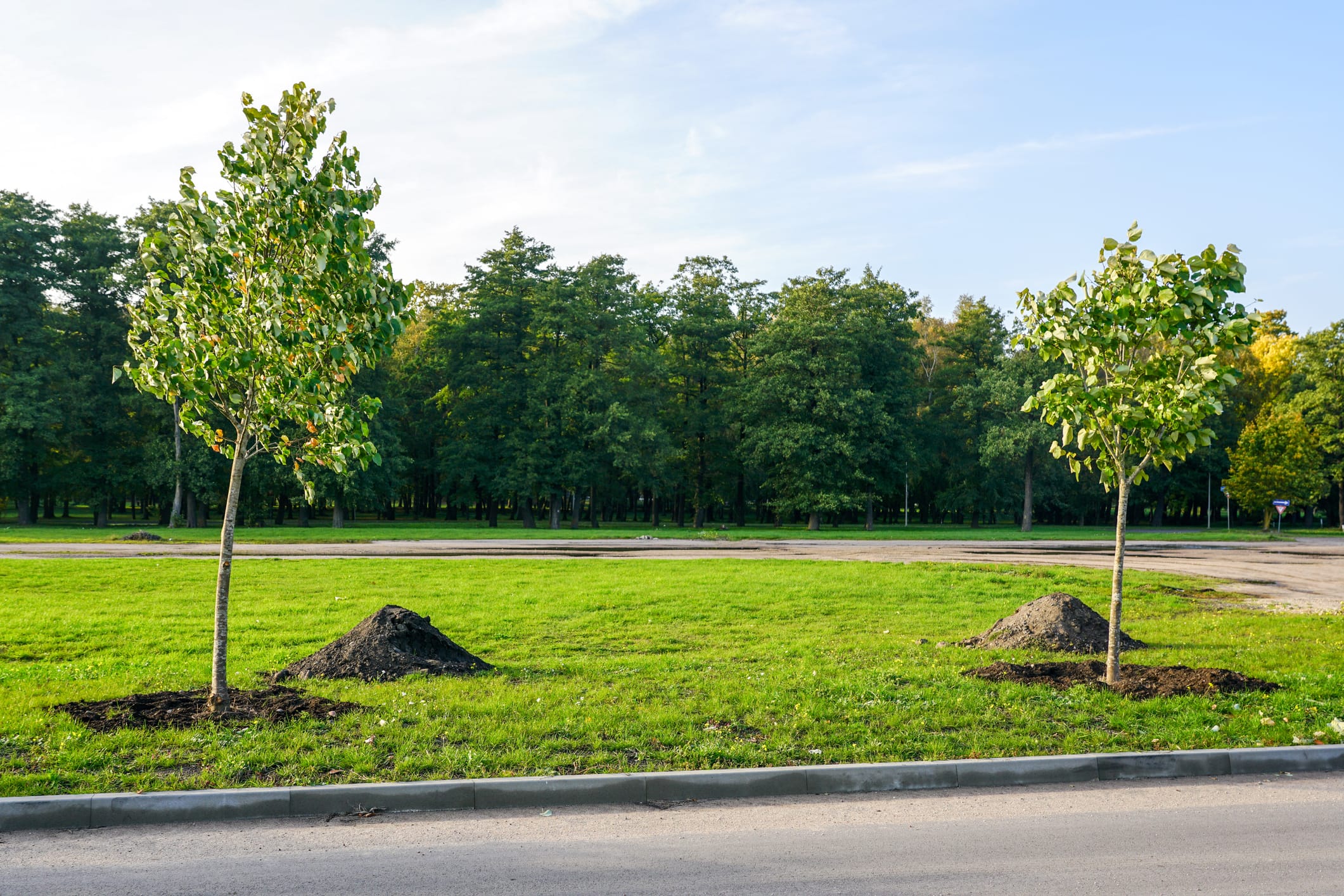
Factsheet: Site selection and preparation
Ensure you plant trees where they can survive and help your community thrive.

Guide: Create a tree planting plan for your community
Access best practices backed by research and real-life examples.

Template: Tree planting plan
Set clear goals, track progress and maximize your project’s impact.
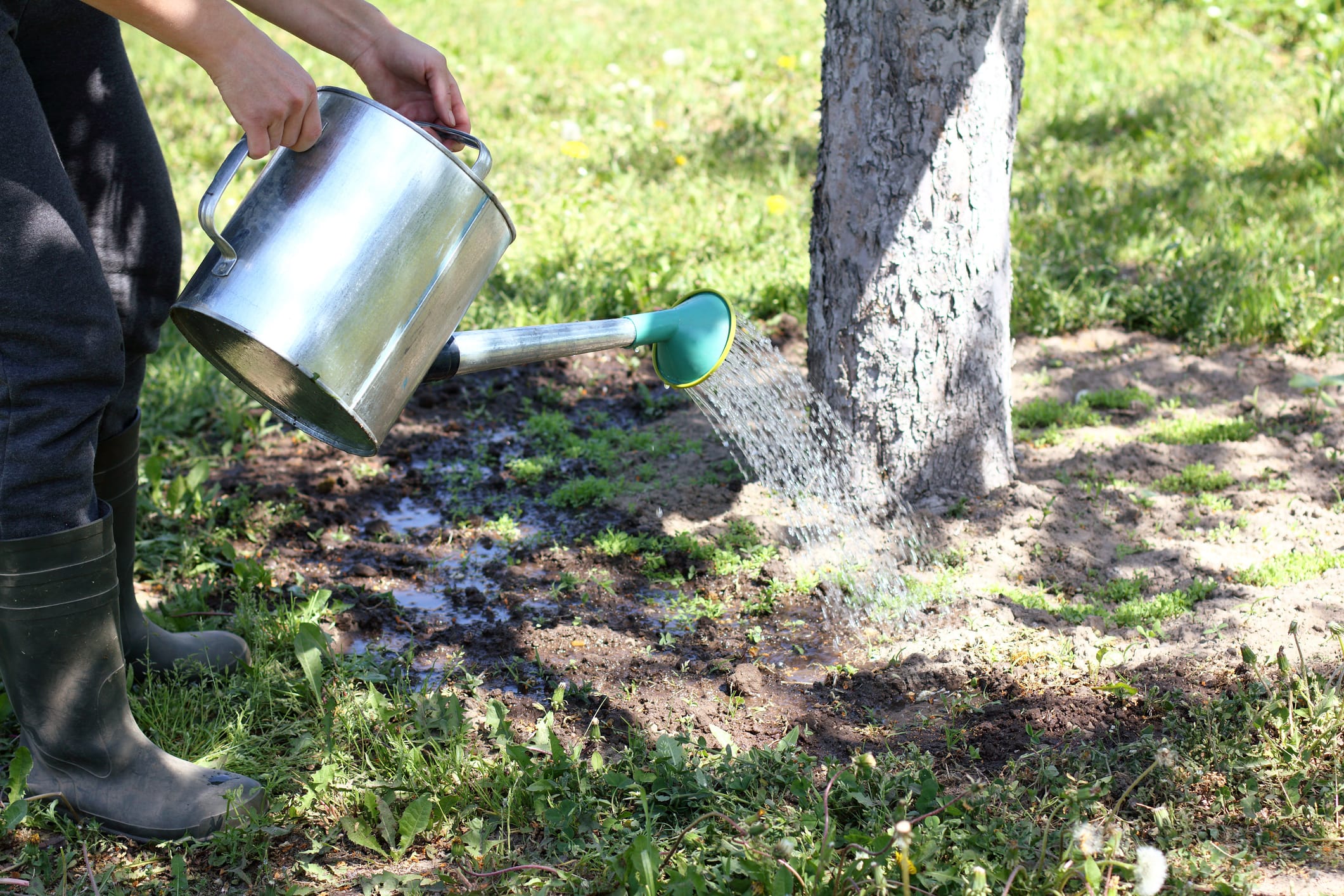
Template: Create a tree maintenance and monitoring plan
Support healthy tree growth, track progress and respond to challenges over time.
Factsheet: Make the case for trees in your community
Present the economic, environmental and social benefits of your project to council and community partners.
Build or renew an urban forest management plan
Six key resources you need to build or renew an urban forest management plan.
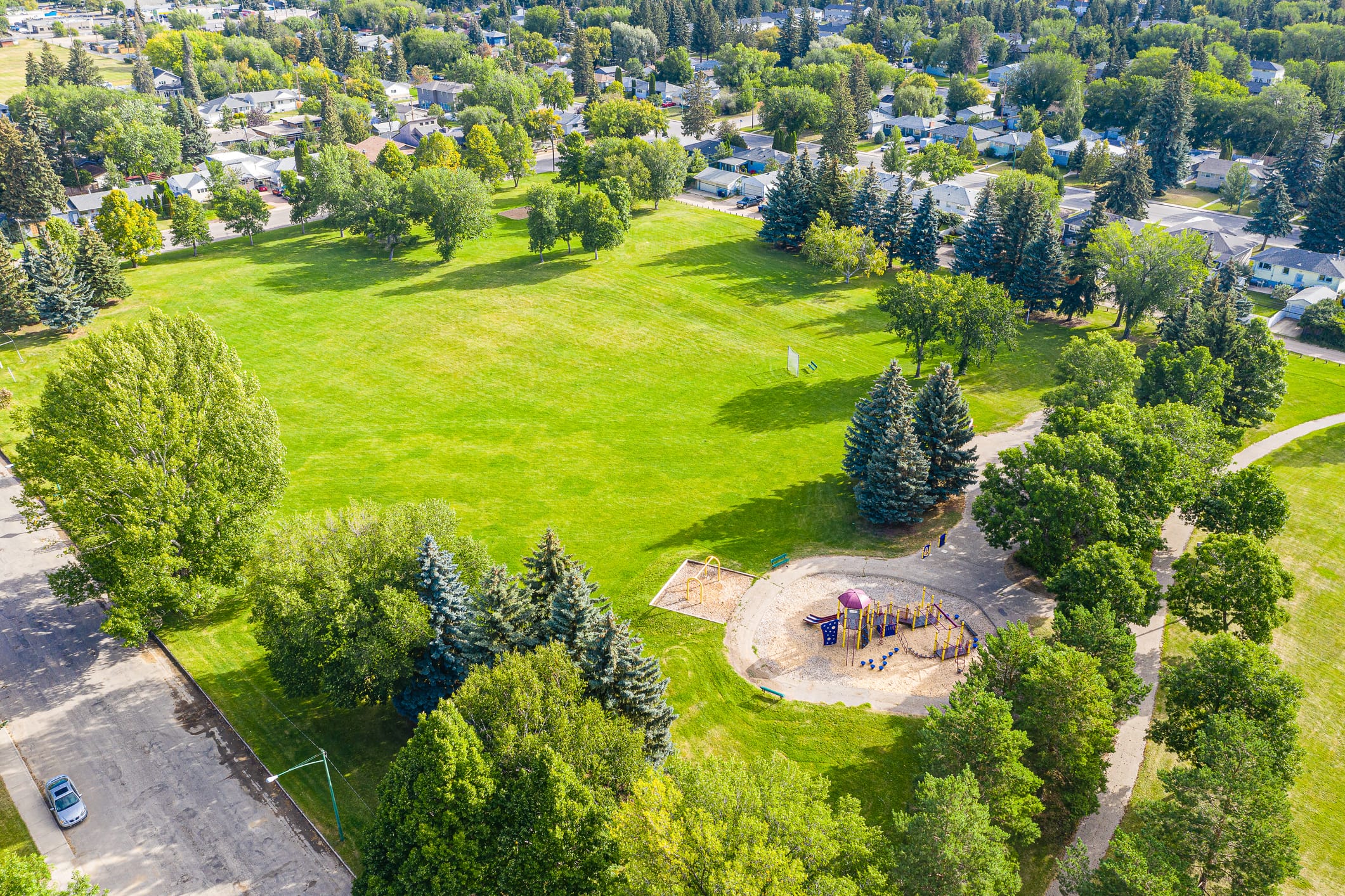
Webinar recording: Develop an urban forest management plan for your community
Learn about the benefits urban forest management plans bring to communities and why to build your own.
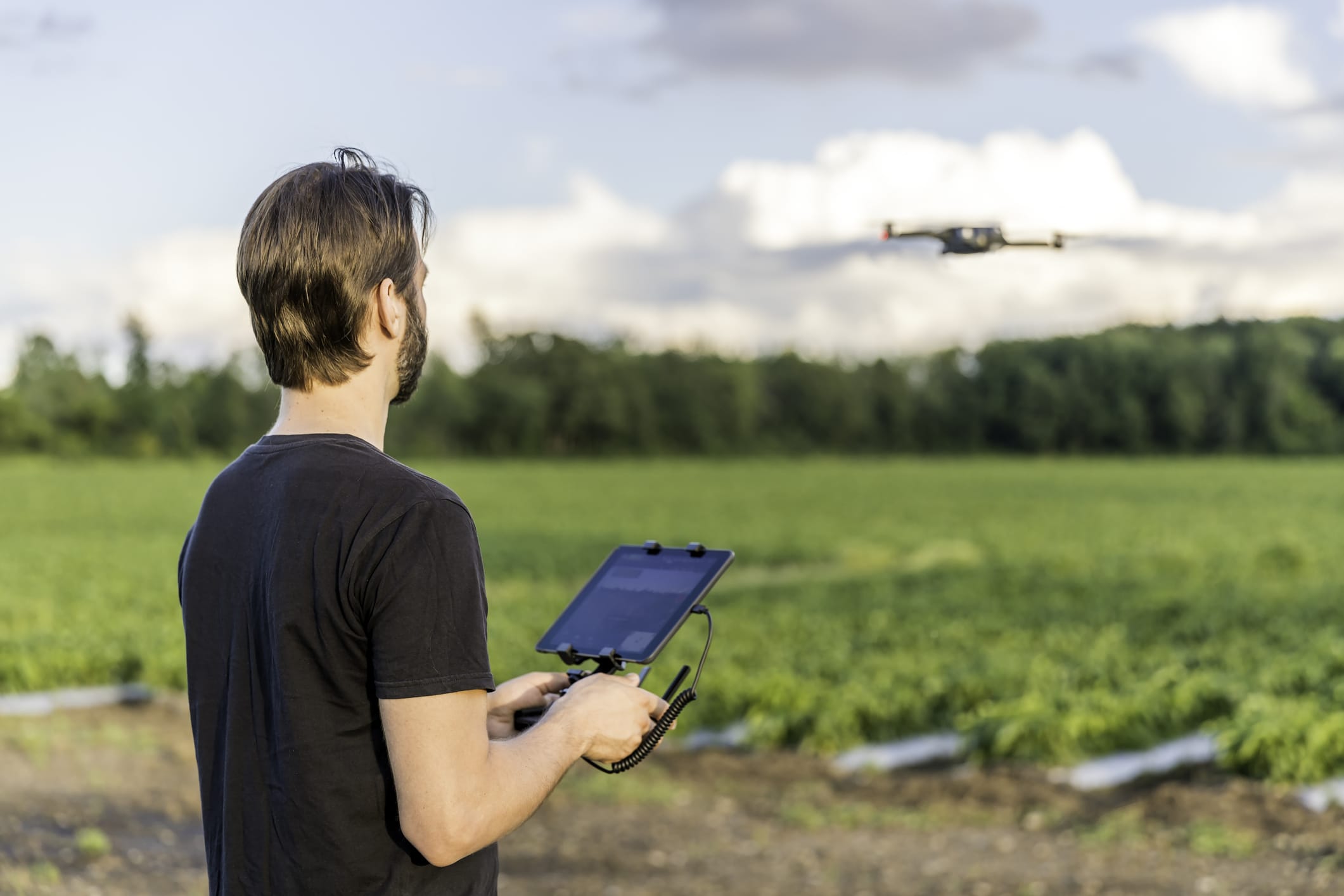
Factsheet: Urban forestry technology and tools
Explore technology and tools that you can use to measure, analyze and make decisions about your tree canopies.

Tip sheet: Community engagement in urban forestry projects
Discover clear, actionable steps to strengthen your engagement strategy and ensure benefits are available to all.
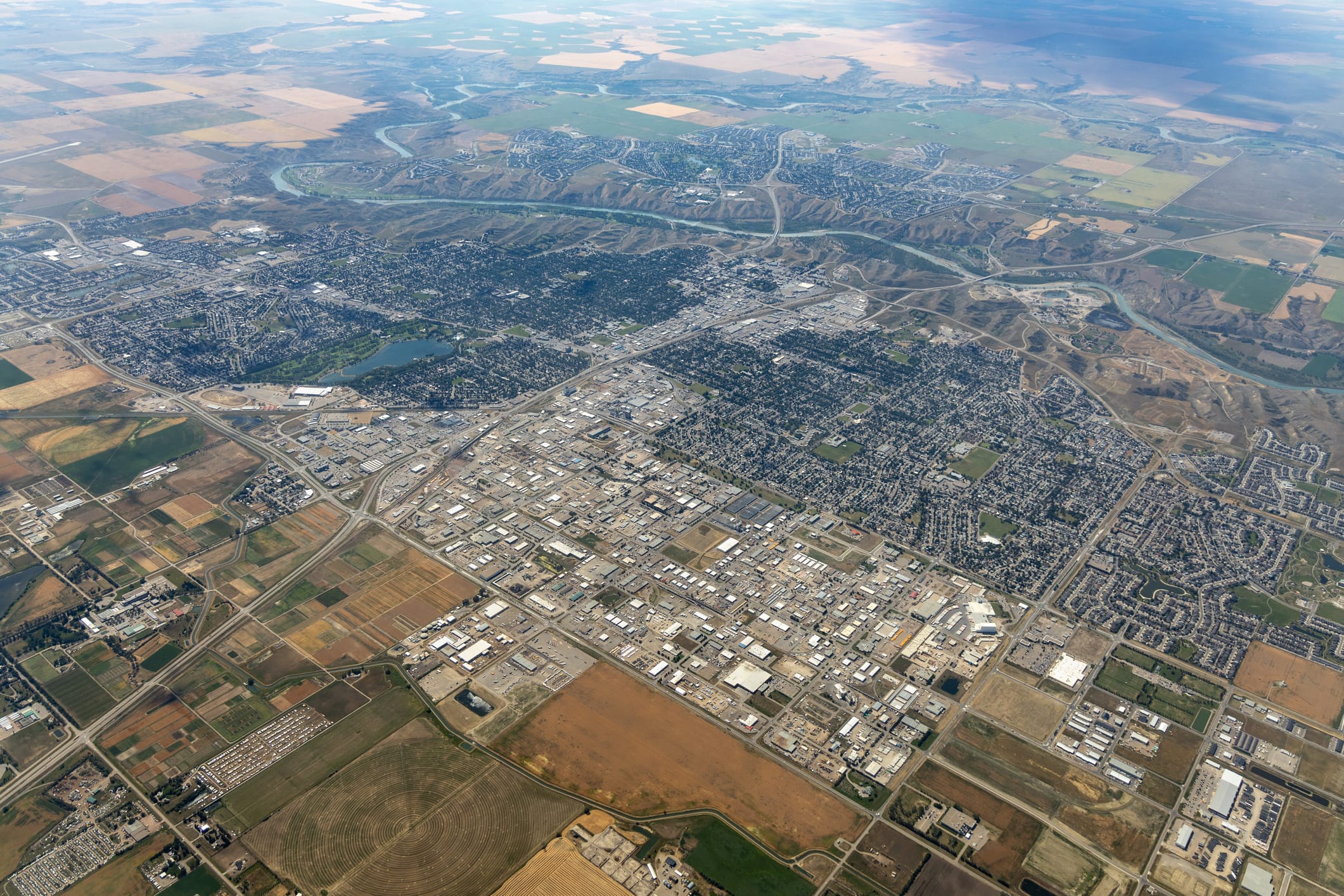
Factsheet: Advance tree equity and grow community canopies
Explore how to centre tree equity in your urban forestry plans and practices.
Factsheet: The role of tree diversity in strengthening urban forests
Learn how tree diversity contributes to climate resilience and urban biodiversity.
Guide: Create an urban forest management plan for your community
Follow our complete guide to build your urban forest management plan.

Funding for your community’s canopy growth
Note: We are not currently accepting applications for funding. Sign up for FCM Connect to be notified when funding is available.
Tree planting funding
Funding for new tree planting projects in communities of all sizes, including smaller, rural and remote communities. This funding supports the accessible, ambitious, resilient and equitable expansion of community canopies.
Sign up for FCM Connect to be notified when the funding is available for all regions across Canada.
Urban forestry plans and studies funding
Funding for urban forestry plans and studies to increase community capacity to strategically manage community canopies.
Sign up for FCM Connect to be notified when the funding is available for all regions across Canada.

Coaching for urban forestry success
Through a partnership with Tree Canada, GCCC's urban forestry coaches provide personalized support to funding applicants at key stages of their projects.
Learn why communities of all sizes benefit from urban forestry coaching.
How do trees benefit your community?
Climate resilience benefits of trees
- Reduce flood risks by absorbing and slowing rainfall, while roots stabilize soil and prevent erosion.
- Decrease heat island effects by providing shade and releasing moisture through transpiration, which cools the surrounding air.
- Protect buildings by acting as windbreaks, reducing the force of strong winds during storms and preventing structural damage.
- Reduce greenhouse gases (GHGs) by absorbing carbon dioxide from the atmosphere.
Discover how to ensure your canopies offer climate resilience benefits to your community in our Factsheet: An urban forestry overview.
Economic benefits of trees
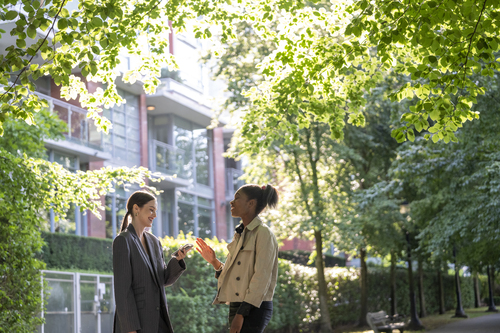
- Lower energy bills for residents by providing natural shade that cools buildings in summer and act as windbreaks that reduce heating costs in winter.
- Decrease the strain on drainage systems, mitigating flood damage.
- Protect buildings by acting as windbreaks, reducing the force of strong winds during storms and preventing structural damage.
- Offer health cost savings by improving air quality and encouraging physical activity, reducing respiratory issues and related healthcare expenses, benefiting public health budgets.
- Increase employment opportunities for the community through the creation of tree-related jobs.
Learn more about the economic benefits of trees in our Factsheet: Making the case for trees in your community.

Health benefits of trees

- Create safer outdoor and indoor spaces by casting shade and cooling the air.
- Boost physical health by improving air quality.
- Reduce stress, anxiety and depression through environments that promote calm and improve mood.
- Offer health cost savings by improving air quality and encouraging physical activity, reducing respiratory issues and related healthcare expenses, benefiting public health budgets.
- Encourage outdoor social interaction, play and walks.
- Support food security in communities, as certain tree species produce fruits, nuts, seeds, berries and pods suitable for human consumption.
Read how to ensure the health benefits provided by trees are equally distributed to community members in our Factsheet: Advancing tree equity and growing community canopies.

Biodiversity benefits of trees
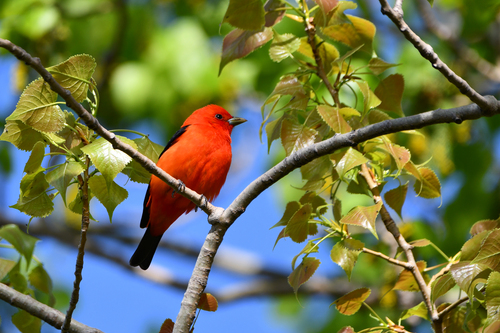
- Help revive areas affected by fires through new growth and restoration of wildlife habitats.
- Create territories and food sources for mammals, birds, insects and fungi.
- Improve soil health and structure, promoting a healthy ecosystem.
- Support diverse species in withstanding pests, diseases and climate fluctuations.
- Support pollinators like bees and butterflies.
- Create safe travel routes for animals.
Explore how tree species diversity supports your local biodiversity in our Factsheet: The role of tree diversity in strengthening urban forests.
Community engagement benefits of trees
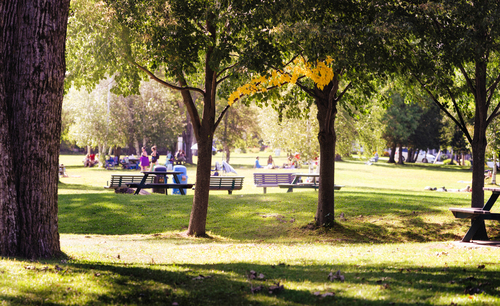
- Provide shaded, inviting spaces for social gatherings.
- Offer opportunities for community members to learn about and get involved in local tree planting and maintenance initiatives.
- Serve as integral elements of cultural and spiritual practice, heritage and traditions that express the unique identity of communities.
- Support decolonization efforts through tree planting projects that offer collaboration between Indigenous and non-Indigenous peoples.
- Create education and Indigenization opportunities through the integration of Indigenous perspectives, knowledge systems and practices in tree planting and maintenance projects.
Find out how you can plant trees for long-term success by involving your community in our Factsheet: The tree planting process.
Explore GMF’s upcoming events to learn from experts on various topics including urban forestry.


The Green Municipal Fund's Growing Canada’s Community Canopies is a $291 million initiative, ending in 2031, funded by the Government of Canada and delivered by the Federation of Canadian Municipalities. Capacity building is enabled through a partnership with Tree Canada. GCCC will support the planting of at least 1.2M trees across Canada by end of March 2031.