


How to communicate climate with your audience
Learn research-based best practices for reaching different audiences, how to structure clear key messages and how to use this toolkit's regional maps and templates with confidence.
FCM's Sustainable Communities Conference: Discount tickets on sale now
Toolkit
Research-based tools for municipal staff and elected officials communicating about climate in communities across Canada.
Climate change is one of the most important conversations happening in Canadian communities right now. Municipal staff and elected officials are often having that conversation directly—at council meetings, in local media, at community events and online.
This toolkit gives you the tools to navigate those conversations effectively.
The Municipal Climate Communication Toolkit is a practical resource for municipal staff and elected officials—with a particular focus on rural, remote, small and medium communities across Canada. It was built to help you communicate local climate action clearly, honestly and in a way that builds public trust.
Each tool in this toolkit can be used on its own—or combined based on your local needs.
Two self-paced courses for municipal staff and elected officials who communicate with the public as part of their role—but don't have a formal communications background.
You don't need any prior knowledge to take either course.
Learn research-based best practices for reaching different audiences, how to structure clear key messages and how to use this toolkit's regional maps and templates with confidence.
Learn to recognize false claims about local climate work, decide whether and how to respond and use clear communication as a first line of defence.
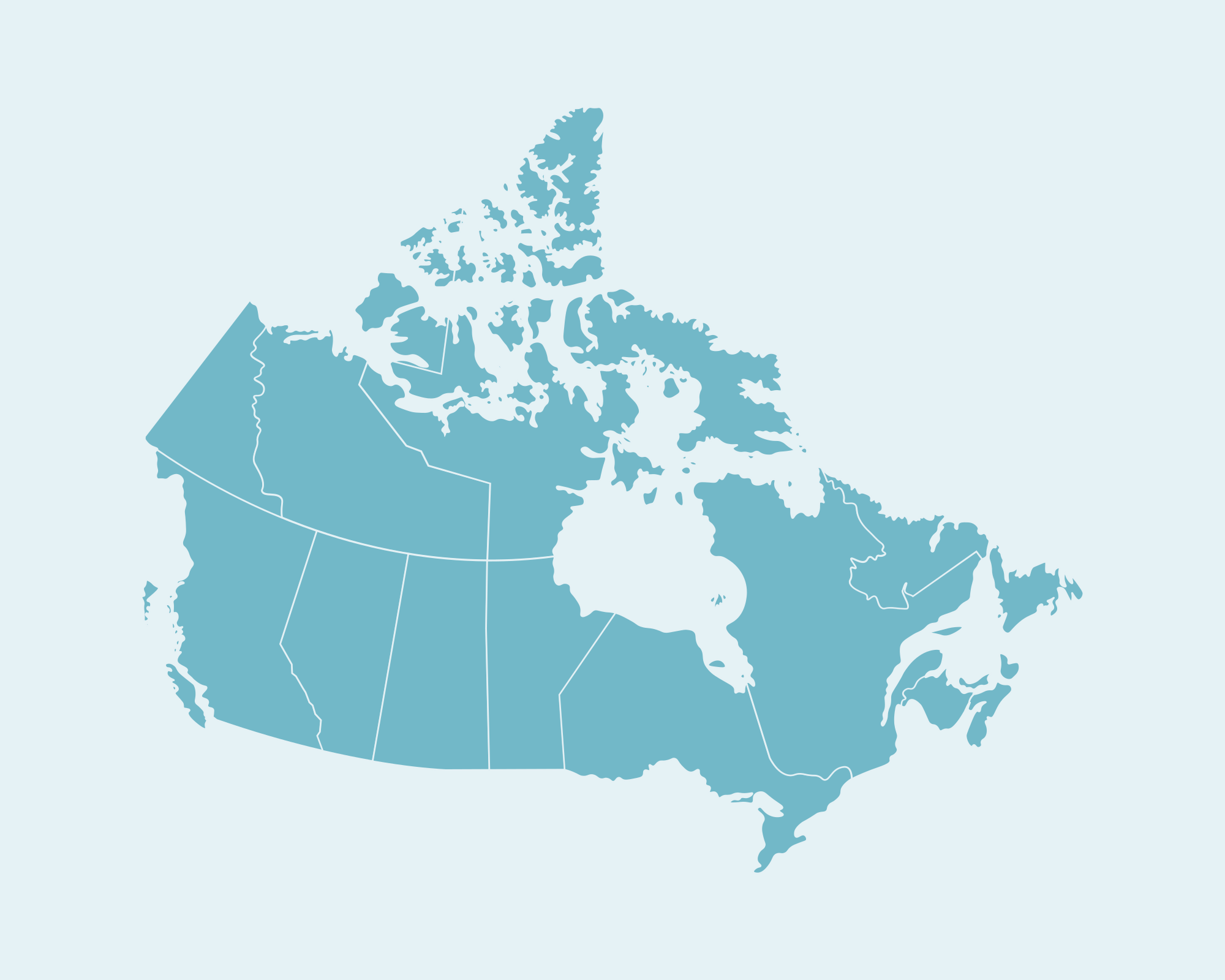
Select your region below for tailored messaging and insights.
BC communities face a wide range of climate impacts—wildfire, flooding, extreme heat and drought—and a communication environment shaped by strong climate concern alongside significant affordability pressure.
Public opinion research: what works, what backfires and why in your region.
Download the research (Google Doc)
Ready-made messages structured around affordability, safety and community protection.
Where to find local data and proof points that make your messages credible.
Alberta communities are navigating a distinctive communication environment—strong climate concern exists alongside a resource economy that shapes how residents hear climate messages. These tools are built for that reality.
Public opinion research: what works, what backfires and why in your region.
Download the research (Google Doc)
Ready-made messages structured around affordability, safety and community protection.
Where to find local data and proof points that make your messages credible.
Saskatchewan communities have a direct connection to agriculture, water and the land. Climate communication works best when it starts with what residents are already living through.
Public opinion research: what works, what backfires and why in your region.
Download the research (Google Doc)
Ready-made messages structured around affordability, safety and community protection.
Where to find local data and proof points that make your messages credible.
Manitoba communities deal with flooding more directly than almost anywhere else in Canada. Climate communication often starts with infrastructure reliability and the real costs of extreme weather.
Public opinion research: what works, what backfires and why in your region.
Download the research (Google Doc)
Ready-made messages structured around affordability, safety and community protection.
Where to find local data and proof points that make your messages credible.
Ontario communities face a wide range of climate impacts—flooding, extreme heat, wildfire smoke and aging infrastructure under pressure. Affordability is a dominant concern that shapes how climate messages land.
Public opinion research: what works, what backfires and why in your region.
Download the research (Google Doc)
Ready-made messages structured around affordability, safety and community protection.
Where to find local data and proof points that make your messages credible.
Quebec communities benefit from strong public support for climate action, but the gap between concern and action is real. Climate communication works best when it connects to local identity, agriculture and the protection of what residents value most.
Public opinion research: what works, what backfires and why in your region.
Download the research (Google Doc, French)
Ready-made messages structured around affordability, safety and community protection.
Where to find local data and proof points that make your messages credible.
New Brunswick communities span coastal, rural and francophone contexts—each with its own communication needs. These tools reflect that diversity, with particular attention to coastal risk and bilingual communication.
Public opinion research: what works, what backfires and why in your region.
Download the research (Google Doc)
Ready-made messages structured around affordability, safety and community protection.
Where to find local data and proof points that make your messages credible.
These resources are for Nova Scotia, Prince Edward Island and Newfoundland and Labrador. Atlantic Canadian communities have strong, direct experience with storms, flooding, coastal erosion and sea-level rise.
Public opinion research: what works, what backfires and why in your region.
Download the research (Google Doc)
Ready-made messages structured around affordability, safety and community protection.
Where to find local data and proof points that make your messages credible.
These resources are for Yukon, the Northwest Territories and Nunavut. Northern communities face climate impacts that are already transforming daily life—permafrost thaw, shorter ice-road seasons, changing wildlife patterns and intensifying wildfire seasons.
Public opinion research: what works, what backfires and why in your region.
Download the research (Google Doc)
Ready-made messages structured around affordability, safety and community protection.
Where to find local data and proof points that make your messages credible.
Six message-building formats for different situations and audiences. Each template is downloadable so you can adapt it to your local context.
Small municipalities usually meet false claims about their climate work without a communications department. These mis- and disinformation rapid response templates walk you through a calm, factual response in five steps. They put the toolkit's misinformation course into action.
Considering using AI to support your climate communications efforts? In GMF's national survey of 196 municipalities, 30 per cent of respondents said they were unsure about using AI, raising concerns about accuracy, privacy and public trust. This guidance responds to that need. It is not an endorsement of AI tools. That decision belongs to each municipality. If yours already has an AI policy, start there.
It’s also important to note that AI tools have real environmental costs. Text-based tasks like drafting and summarizing have a modest footprint. Image and video generation consume significantly more. It’s worth asking before each use: Does this task genuinely benefit from AI, or can I do it just as well without it?
The guidance is offered in two formats.
The foundation for using AI responsibly and effectively in municipal communications work. Covers what AI tools are and how they work, the seven principles for responsible use, how to get better results, and common pitfalls to avoid.
Six situations drawn directly from municipal communications work—a misinformation post gaining traction, an 85-page report nobody will read, a community meeting where pushback is coming, and more. Each scenario walks through how to approach the task using AI responsibly.
Read the AI legislative and governance review summary
This review examines the Canadian legislative and governance landscape for municipal AI use in communications, including privacy legislation across provinces and territories, federal frameworks, municipal policies, and international best practices. It identifies gaps between existing legislative requirements and responsible AI practices, particularly for smaller municipalities, and provides practical guidance to help staff and elected officials use AI tools effectively and responsibly.