



Kate Landry
Senior Manager, Community Action, WWF-Canada
FCM's Sustainable Communities Conference: Discount tickets on sale now
Lessons on planting for climate, wildlife and community connection
 TREES
Urban forests are one of the most powerful tools municipalities have for building healthier, happier and more climate‑resilient communities. Beyond planting more trees, municipalities and community groups are looking at which species they plant, how those trees support wildlife and how residents can help restore biodiversity in yards, schoolyards, parks and public spaces.
The lesson is clear: healthier urban forests are not built by canopy targets alone, but by choosing diverse, climate-resilient species and creating the community support needed to help them thrive.
Senior Manager, Community Action, WWF-Canada

Arboriculture Foreman, City of Fredericton, NB
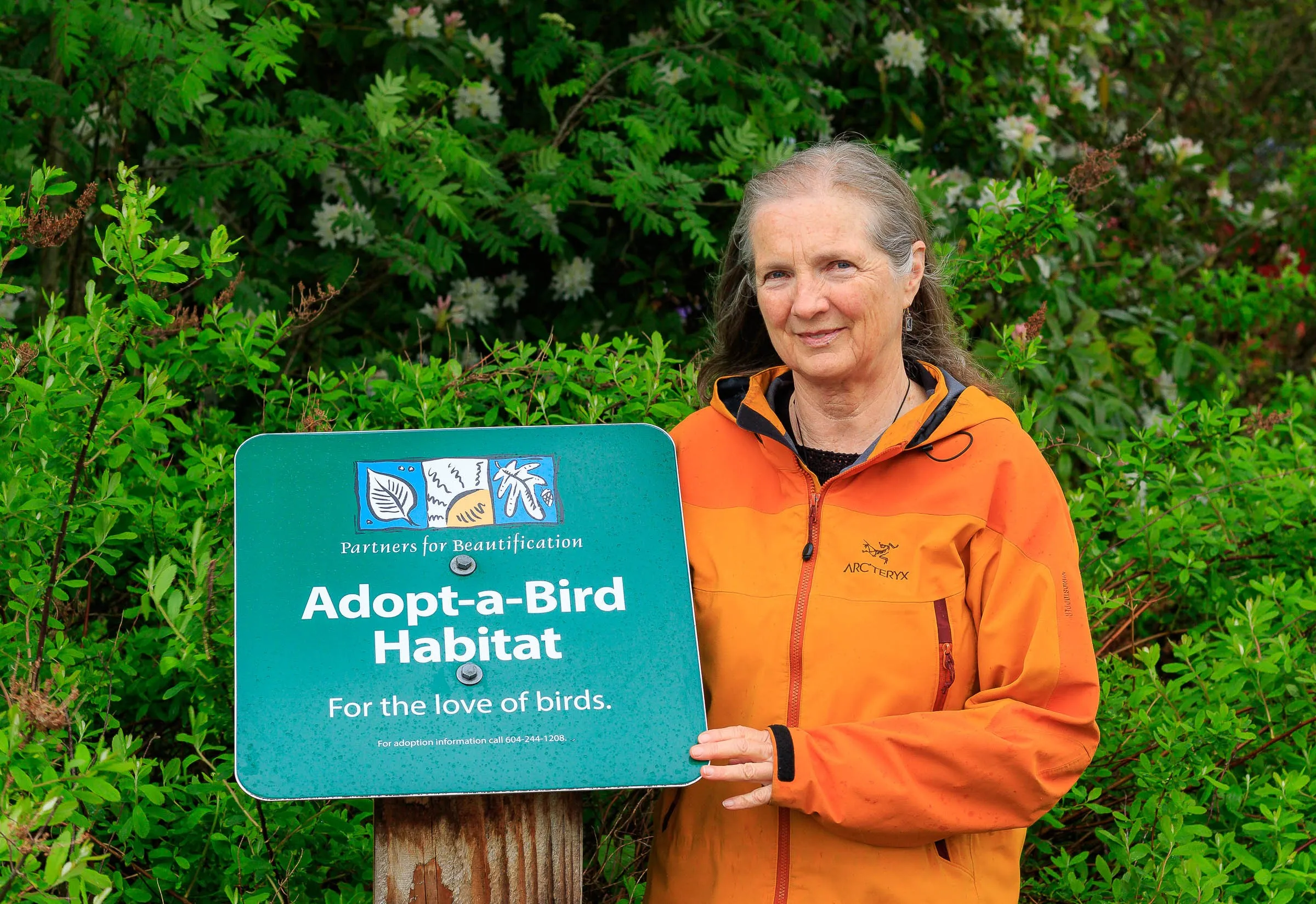
President, Garden City Conservation Society
For Kate Landry, Senior Manager of Community Action at WWF-Canada, restoration does not only happen in natural spaces. It can happen in yards, schoolyards, community parks and even containers. “Putting plants in the ground can also be considered restoration, especially when it’s happening in areas that are impacted by humans,” she says.
However, what species gets planted matters. “The best plants and trees are native plants and trees,” she says. “These are the species that have co-evolved together over tens of thousands of years with local wildlife.”
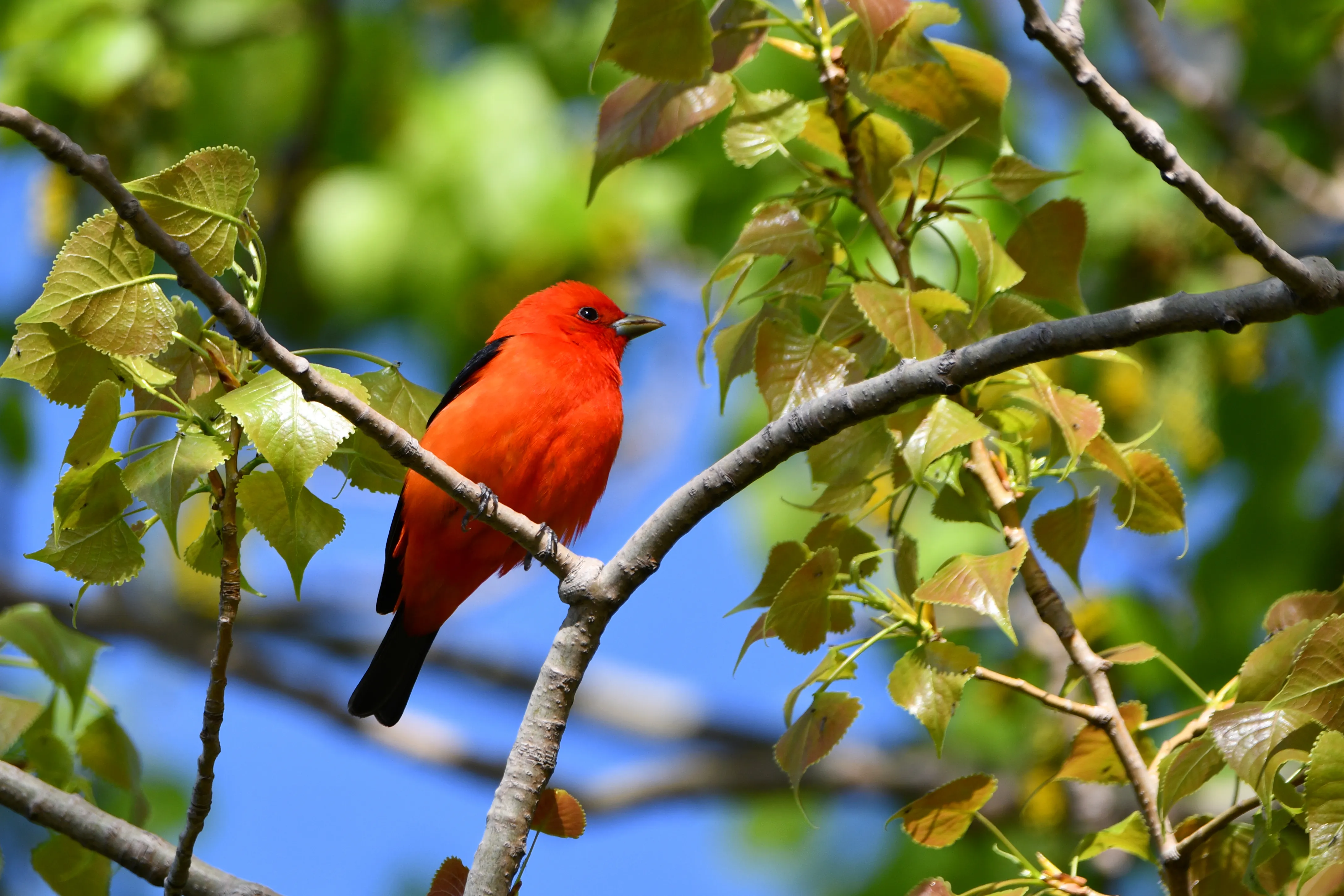
Good-quality native stock, she adds, should be local to the region (ideally within 200 kilometres), grown from locally-sourced seed, genetically diverse and free from pesticides. Those details matter because urban trees are not only tools for climate resilience — they are food, shelter and habitat for wildlife.
Landry points to the relationship between the Eastern tiger swallowtail butterfly and the tulip tree. When tulip trees are planted and allowed to mature, “every part of the tree, from its leaves to its flowers to its seeds”
can provide resources like food and shelter for Eastern tiger butterflies as well as other insects, birds and mammals.
In Fredericton, biodiversity is being built into the city’s urban forest strategy. Keanen Jewett, Arboriculture Foreman at the City of Fredericton, says the city has a strong starting point: a city-wide canopy cover of 67 per cent, with roughly 23,000 trees.
“This is a very high percentage, and it plays a vital role in mitigating urban heat island effects, improving air quality and supporting biodiversity,” he says.
But even a strong canopy comes with risk. Jewett says about half of Fredericton’s canopy is made up of maples, leaving the urban forest vulnerable to pests, disease and climate impacts. To build resilience, the city is using the 30-20-10 rule: no more than 30 per cent of one species, 20 per cent of one genus and 10 per cent of one family being planted.
The city is also using LiDAR and GIS tools to identify canopy gaps and guide its planting. It has integrated the 3-30-300 guideline into its strategy, which encourages communities to ensure residents can see at least three trees from home, live in neighbourhoods with 30 per cent canopy cover and be within 300 metres of public green space.
For Jewett, the shift is also cultural. “We like to talk about our urban forest and our trees as green infrastructure, rather than just aesthetically there,” he says. “This approach integrates trees into urban planning as vital assets.”
For Sharon MacGougan, President of the Garden City Conservation Society in Richmond, B.C., biodiversity work requires a can-do attitude. “Protecting habitat and biodiversity is hard — there are more losses than wins,” she says. “We decided that it was better to take action than to lament loss.”
Her volunteer-run society has focused on Miyawaki mini-forests: dense, biodiverse urban plantings designed to grow quickly on small sites. In 2022, with a grant from Tree Canada, the society planted the first Miyawaki forest in Western Canada with a local high school. Since then, the group’s tree-planting projects have expanded, often involving students, volunteers, community groups and municipal partners.
For MacGougan, the method is powerful because it combines habitat restoration with public engagement. One elementary school project involved more than 400 students; another project on city-owned parkland was designed to help restore habitat after development affected an old field where barn owls had been documented hunting.

Biodiversity work can face resistance; native trees may drop acorns, needles or branches, and schools and municipalities may worry about maintenance.
MacGougan says one early school project faced hesitation because of budget and maintenance concerns. But once the forest was planted, relationships began to grow around it. “Our [organization] believes that we’re stronger if we work together,” she says. “Sometimes bridge building is as simple as listening and understanding others’ points of views.”
The same principle applies in Fredericton, where public education helps residents understand why certain species matter. “Community involvement is a cornerstone of its success,” says Jewett, pointing to volunteer planting events and stewardship programs that build a sense of ownership.
For Landry, citizens are a crucial “third lever” alongside cities and community organizations. “These are the folks that can be planting native trees and plants in the places where you can’t,” she says. “They just need some support.”
As MacGougan puts it, people leave these projects with “a sense of accomplishment and, perhaps most importantly, empowerment — a powerful antidote to eco-anxiety.”
This article shares key takeaways from “Biodiversity strategies for resilient urban forests,” a past webinar hosted by GMF.


The Green Municipal Fund's Growing Canada’s Community Canopies is a $291 million initiative, ending in 2031, funded by the Government of Canada and delivered by the Federation of Canadian Municipalities. Capacity building is enabled through a partnership with Tree Canada. GCCC will support the planting of at least 1.2M trees across Canada by end of March 2031.
Learn how to integrate biodiversity in urban forestry projects
Read moreHow to enhance biodiversity through urban forest management.
Read more Municipal buildings